
Rose Succulents: Discover the Secret Stars of the Succulent World
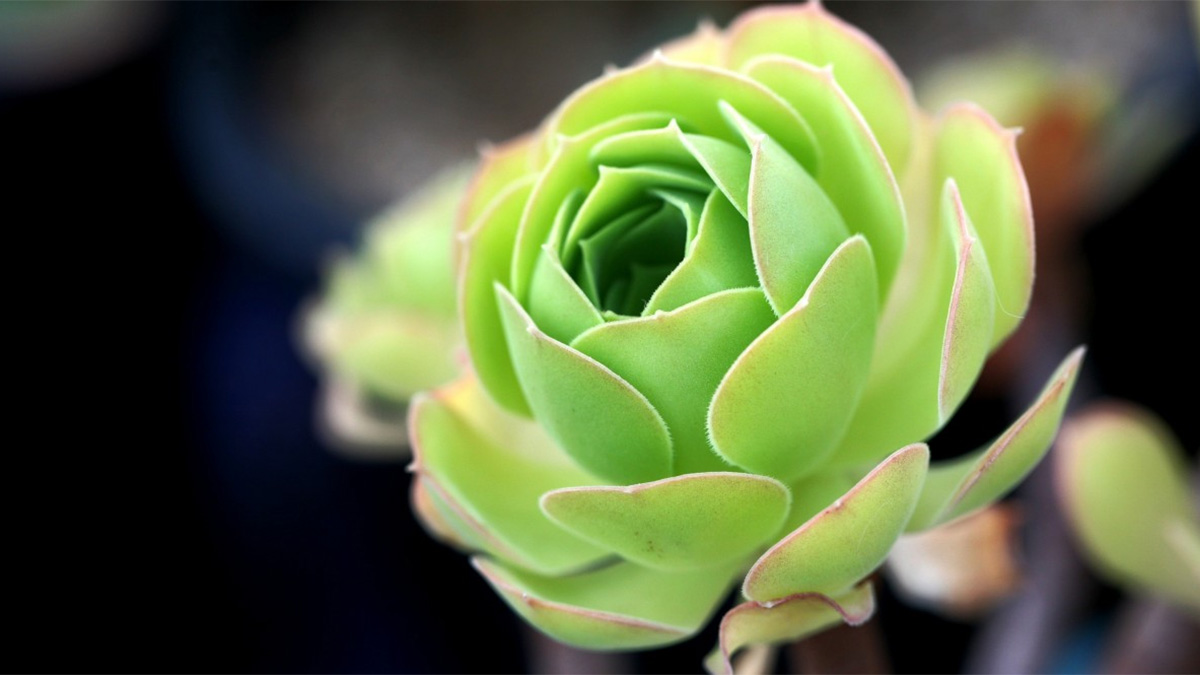
Rose succulents are some of the most striking plants you can grow, often mistaken for delicate flowers at first glance. Greenovia dodrantalis stands out for its tightly layered, rose-like form and slow, graceful growth. For gardeners drawn to unique succulents with a softer look, this plant offers beauty with a sense of quiet elegance.
What are rose succulents (Greenovia dodrantalis)
Greenovia dodrantalis is a rare succulent known for its tightly layered rosettes that closely resemble blooming roses. Its soft, overlapping leaves form a compact shape that sets it apart from most other succulents. This rose-like structure is natural and not the result of pruning or training.
Unlike many rosette succulents, Greenovia maintains a fuller, more closed form. This unique growth habit is what gives it the appearance of a living flower. It is often mistaken for an ornamental bloom rather than a succulent.
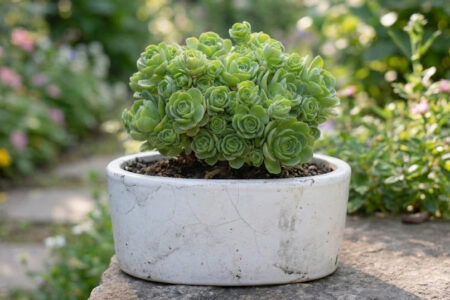
Why Greenovia dodrantalis is considered a secret star
Greenovia dodrantalis stands out because of how closely it mimics a real rose. The symmetry and gentle curves of its leaves create a refined and elegant look. Even among succulent collectors, it is often seen as a special or standout plant.
Its limited availability also adds to its appeal. Many gardeners are unfamiliar with Greenovia, which helps it retain its reputation as a hidden gem. Those who grow it often consider it one of the most visually striking succulents available.
Natural origins and habitat
Greenovia dodrantalis is native to the Canary Islands. It grows in mild coastal climates with consistent airflow and moderate temperatures. These natural conditions help explain its sensitivity to extreme heat and excess moisture.
In its native habitat, Greenovia grows in rocky, well-draining soil. Rainfall is infrequent but steady, which influences how it should be watered in cultivation. Replicating these conditions helps the plant stay healthy and compact.
How rose succulents grow through the seasons
Greenovia dodrantalis possesses a distinct and somewhat counter-intuitive growth cycle. While many succulents thrive in summer heat, the Mountain Rose is a winter grower that enters a protective dormancy during the warmer months.
This cycle dramatically alters the plant’s appearance. During its active winter growing season, the rosette relaxes and opens to absorb light and moisture. As summer heat arrives, the plant transitions into dormancy; the leaves tighten compactly into the signature “rosebud” shape to minimize surface area and prevent water loss.
Care Implication: It is vital not to mistake this summer dormancy for decline. A tightening rosette is a healthy response to heat, not a cry for water. In fact, watering should be significantly reduced during the summer “rosebud” phase to prevent root rot, then increased once the rosette begins to unfurl again in autumn.
Light requirements for rose succulents
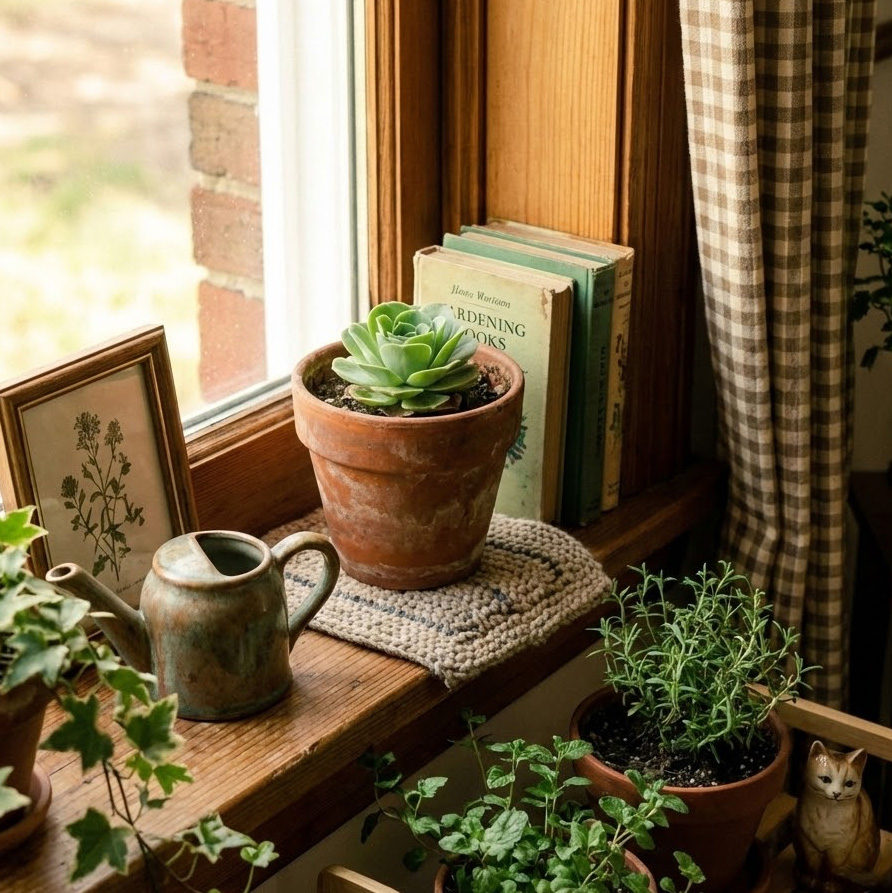
Bright, indirect light is ideal for Greenovia dodrantalis. Too much direct sun can cause stress, while low light may lead to loose or stretched growth. A bright window with filtered light works well indoors. Outdoors, morning sun with afternoon shade is often sufficient. Consistent light exposure helps maintain the compact, rose-shaped form. Sudden changes in lighting should be avoided when possible.
Soil and potting needs
Excellent drainage is essential for Greenovia dodrantalis. A gritty succulent mix with added pumice or coarse sand helps prevent water retention around the roots. Standard potting soil is not suitable on its own. Shallow containers with drainage holes work best. Oversized pots can hold excess moisture, increasing the risk of rot. Choosing the right soil and container supports healthy root development.
Watering rose succulents correctly
Greenovia dodrantalis prefers infrequent but thorough watering during its active growth period. Soil should dry out completely between waterings. During dormancy, watering should be reduced significantly. Overwatering is one of the most common issues with this plant. Soft or translucent leaves can indicate excess moisture. When in doubt, it is safer to wait before watering again.
Growing rose succulents indoors vs outdoors
Indoors – Greenovia dodrantalis benefits from stable temperatures and controlled watering. Good airflow and bright light help prevent issues related to humidity. Indoor growing also protects the plant from heavy rain.
Outdoors – Should be grown only in climates with mild temperatures and low humidity. Protection from frost and excessive summer heat is important. Many gardeners prefer container growing so plants can be moved as needed.
Common mistakes when growing Greenovia dodrantalis
Overwatering: Treating the “Mountain Rose” like a standard, fast-growing succulent is the most common error. They are highly sensitive to moisture; frequent watering often leads to rapid root rot or mushy leaves.
Too Much Direct Sun: Unlike some desert cacti, these plants prefer bright but indirect light. Long periods of scorching direct sun can burn their delicate petals.
Poor Drainage: Dense potting soil is a recipe for disaster. Using pots without drainage holes or soil that holds water will suffocate the roots.
Ignoring Seasonality: Greenovia have distinct growing and dormant seasons. Sticking to a rigid routine without adjusting for their summer dormancy is a surefire way to harm the plant.
How to keep rose succulents compact and rose-shaped
Consistent light levels play a major role in maintaining Greenovia’s form. Rotating the plant occasionally helps ensure even growth. Sudden changes in light or temperature can cause stress. Spacing and airflow also matter, especially in humid conditions. Allowing the plant to follow its natural growth cycle helps preserve its shape. Avoid forcing growth with extra water or fertilizer.
Propagating rose succulents
Greenovia dodrantalis is slower to propagate than many succulents. Offsets may appear over time but develop gradually. Patience is required when attempting propagation. Division is the most reliable method once offsets are well established. Leaf propagation is generally unsuccessful with this species. Slow propagation is part of what makes Greenovia so rare.
Conclusion
Greenovia dodrantalis rewards patience, observation, and gentle care. By understanding its seasonal growth habits and providing the right light, soil, and watering routine, this rose succulent can thrive for years. Its sculptural form and rarity make it a memorable addition for anyone who appreciates truly distinctive plants.