
Heat Wave Plant Care: Simple Ways to Protect Your Garden
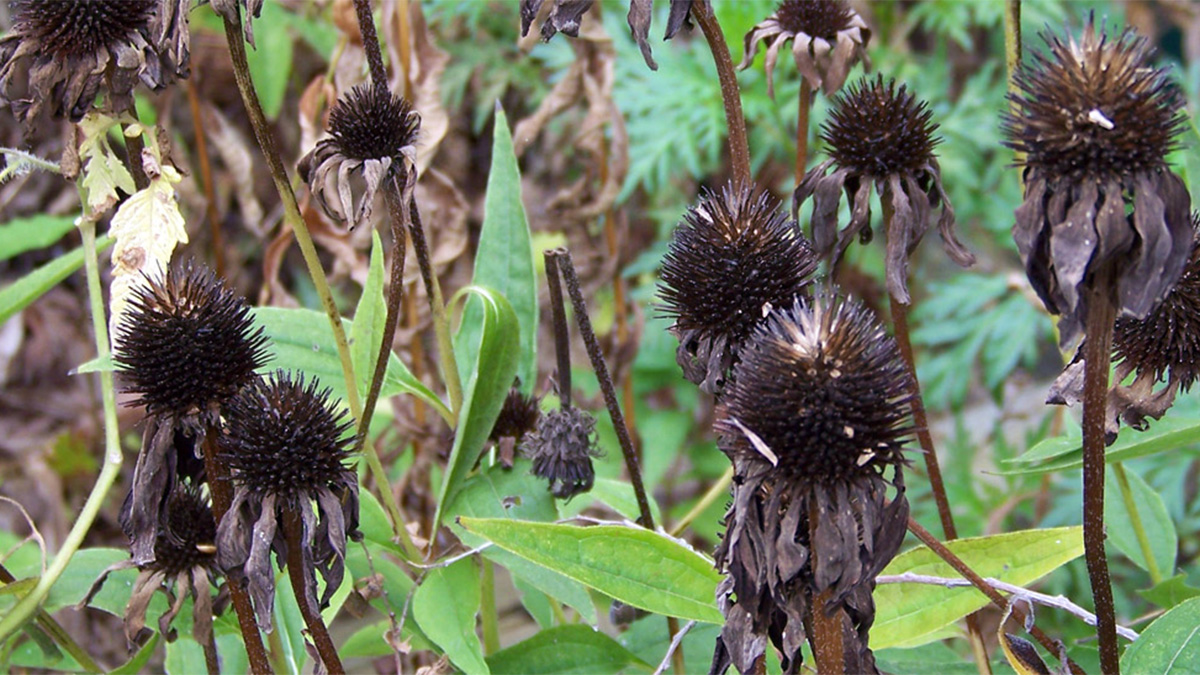
Heat waves can take a serious toll on your garden, especially when plants are not prepared for extreme temperatures. With the right strategies, you can help your plants stay hydrated, protected, and resilient even during the hottest days of summer. These simple techniques make it easier to support your garden when the weather becomes unpredictable.
Why heat waves are so hard on plants
Heat waves can cause plants to lose moisture faster than their roots can replace it. High temperatures stress plant cells, making leaves wilt, curl, or scorch. Some plants handle heat better than others, but all are affected when temperatures climb too high for too long.
Preparing your garden before a heat wave hits
Checking soil moisture ahead of time helps plants stay hydrated when heat arrives. Adding compost or organic matter improves water retention and supports root health. Mulching early helps lock in cool moisture and protects the soil surface as temperatures rise.
Weak or young plants benefit from gentle support before a heat wave. Stakes, cages, or ties keep stems from bending or snapping in intense weather. Preparing your garden ahead of time gives plants a better chance of handling the stress.
Watering strategies that actually work in extreme heat
Watering early in the morning allows plants to absorb moisture before the sun evaporates it. Deep watering encourages roots to grow downward where the soil stays cooler. Shallow surface watering dries too quickly and doesn’t offer enough support during long heat spells.
Avoid watering leaves during the hottest part of the day, as droplets may evaporate too fast to be useful. If you water in the evening, give soil enough time to dry slightly before nightfall to reduce fungal issues. Consistent, deep moisture is more effective than frequent light watering.
Providing shade for vulnerable plants
Temporary shade can make a big difference during a heat wave. Shade cloth, patio umbrellas, or lightweight fabric can reduce direct sunlight and lower leaf temperatures. Even moving a lawn chair or outdoor umbrella beside plants can help shield them during peak heat.
Container plants can be moved to shaded patios or indoors near bright windows. Some plants tolerate partial shade better than direct sun during extreme weather. Understanding how much light each plant needs helps you decide how much shade to provide.
Protecting soil and roots
Mulch is one of the best tools for protecting soil during high heat. Materials like straw, bark, or compost keep the soil cool and slow down evaporation. A few inches of mulch also protect shallow roots from drying out too quickly.
Exposed soil heats up fast and encourages water loss. Covering bare areas helps maintain steady moisture levels. Plants with shallow roots benefit most from these protective layers.
Caring for container plants during heat waves
Container plants often heat up faster than garden beds because pots absorb and hold warmth. Black plastic pots in particular can become very hot in direct sunlight. Moving containers to shaded areas or placing them inside larger decorative pots helps keep temperatures down.
Potted plants may need more frequent watering during heat waves. Check soil daily and water when the top inch becomes dry. Choosing potting mixes that retain moisture while draining well supports healthier roots in hot weather.
Heat-tolerant plants that can handle extreme weather
Some vegetables, flowers, and herbs naturally tolerate heat better than others. Okra, peppers, eggplant, lavender, and rosemary often perform well during hot stretches. Native plants are also well adapted to regional climate conditions and bounce back faster after heat stress.
Choosing heat-tolerant varieties gives your garden more resilience. These plants continue producing even when temperatures stay high. Having a mix of hardy species can help maintain color and harvests during unpredictable summers.
What not to do during a heat wave
Avoid pruning during a heat wave, as it exposes tender growth to intense sunlight. Fertilizing is also not recommended, since stressed roots may struggle to process nutrients. Transplanting during extreme heat can shock plants and reduce their chances of survival.
Overwatering is another common mistake. Saturated soil can lead to root problems, especially if temperatures cool down at night. Instead, focus on deep, steady watering and keeping soil protected.
Helping plants recover after a heat wave
Once temperatures drop, check your plants for damage. Remove only the leaves or stems that are clearly dead while leaving any that might bounce back. Gradually rehydrate soil rather than flooding it all at once.
Wait a few days before fertilizing to allow plants time to recover. When new growth appears, you can prune lightly to encourage healthier development. Recovery may take time, but many plants bounce back once conditions improve.
Long-term strategies for heat-resilient gardens
Improving soil with compost and organic matter helps retain moisture through hot weather. Adding drought-tolerant plants and using smart landscaping can reduce stress during future heat waves. Creating microclimates with shrubs, trees, or pergolas gives plants natural protection.
Over time, you can design a garden that is better prepared for extreme heat. Thoughtful planting and soil care reduce the impact of high temperatures. Building resilience now helps your garden thrive in the long run.
Conclusion
Protecting your plants during a heat wave doesn’t have to be complicated. With thoughtful watering, shade, and soil care, your garden can stay healthy even when temperatures soar. By planning ahead and helping your plants recover afterward, you can keep your garden thriving through the hottest parts of the season.