Healing Herbs You Can Grow for Natural Wellness
Healing herbs have been used for centuries to support everyday wellness and natural care. Growing them at home gives you fresh, accessible plants while helping you reconnect with simple, traditional remedies. With the right herbs and basic care, even small gardens or containers can become a source of natural comfort and calm.
What are healing herbs
Healing herbs are plants traditionally used to support wellness and everyday comfort. Many have been valued for generations for their calming, soothing, or restorative properties. While some are culinary, others are grown mainly for natural wellness uses.
Why grow your own healing herbs
Growing your own healing herbs gives you access to fresh, potent plant material whenever you need it. Homegrown herbs are often more flavorful and aromatic than store-bought options. Tending an herb garden can also be a relaxing routine that supports overall well-being.
10 best healing herbs to grow
Aloe vera
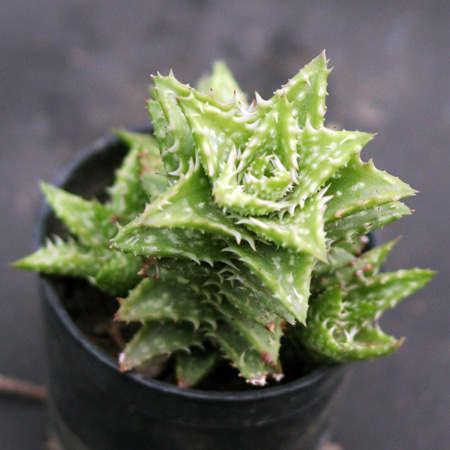
Aloe vera is widely known for its soothing gel, often used for minor skin irritation. It thrives in bright light and well-draining soil. Harvest outer leaves carefully and use the clear gel inside.
Chamomile
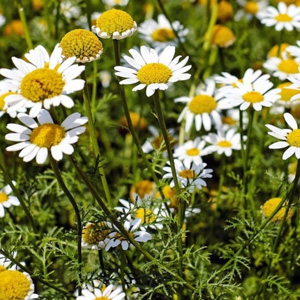
Chamomile is commonly grown for its calming properties and gentle flavor. It grows easily from seed and prefers full sun with light soil. Harvest flowers regularly to encourage continuous blooming.
Peppermint
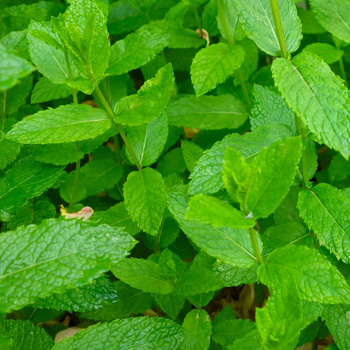
Peppermint is often used to support digestion and relieve tension. It grows quickly and spreads easily, which makes containers the best option. Regular trimming keeps plants compact and productive.
Lavender
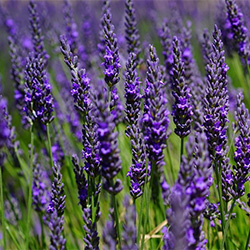
Lavender is valued for its calming scent and relaxing presence. It prefers full sun and dry, well-draining soil. Prune lightly after flowering to maintain shape and encourage new growth.
Lemon balm
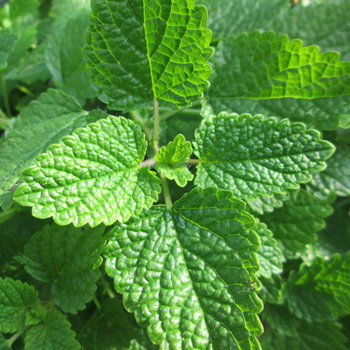
Lemon balm is traditionally associated with relaxation and mood support. It grows vigorously and can spread if not managed. Harvest leaves often to keep the plant tidy and productive.
Rosemary
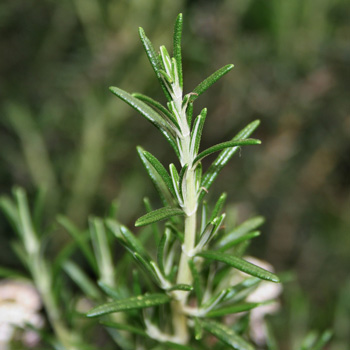
Rosemary is known for its strong aroma and traditional links to memory support. It grows well in containers or garden beds with excellent drainage. Regular harvesting encourages bushy growth and healthy stems.
Calendula
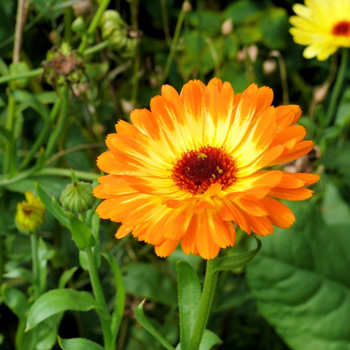
Calendula produces bright flowers that are often used in skin-focused preparations. It is easy to grow and blooms steadily throughout the season. Pick flowers regularly to keep plants producing.
Thyme
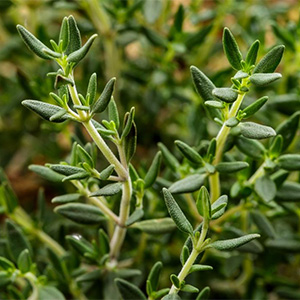
Thyme is a low-growing herb commonly used for respiratory comfort and immune support. It prefers dry soil and full sun. Trim lightly to prevent woody growth and maintain flavor.
Echinacea
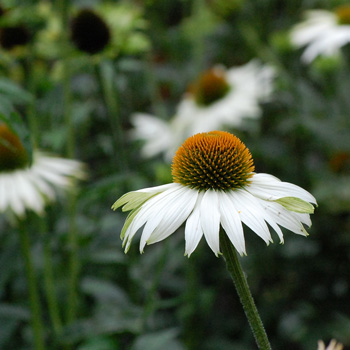
Echinacea is a hardy perennial often grown for immune support. It takes longer to establish than many herbs but returns reliably each year. Flowers and roots should be harvested responsibly from mature plants.
Sage
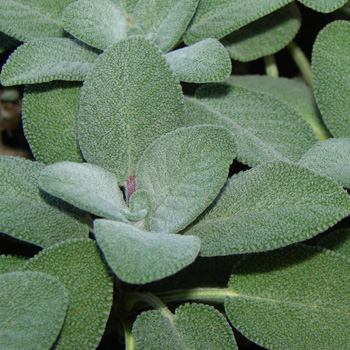
Sage is valued for its soothing and cleansing properties. It prefers full sun and well-draining soil. Regular pruning helps prevent legginess and promotes healthy growth.
How to harvest and store healing herbs
- Catch the Morning Window: Harvest after the dew dries for peak oil concentration.
- Dry with Care: Find a warm, airy spot away from direct sunlight to prevent “sun-scorching” your leaves.
- Seal the Magic: Use airtight containers to maintain freshness, aroma, and therapeutic quality.
Simple ways to use healing herbs at home
Healing herbs can be used in teas, infusions, or aromatic steam. Some herbs are infused into oils or salves for topical use. Simple preparations allow you to enjoy their benefits without complicated processes.
- Make Your Own Herbal Tea Blends
- How To Make A Herbal Infusion In 5 Simple Steps
- Crafting a Herbal Steam Inhalation Blend
Creating a small healing herb garden
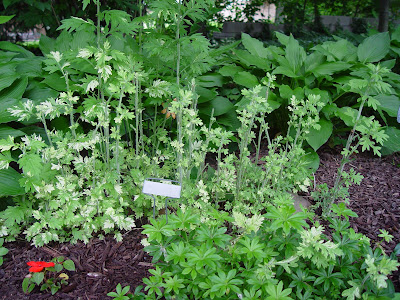
You don’t need a large plot of land to grow your own remedies. Whether you have a sunny windowsill, a balcony, or a small corner of a backyard, you can cultivate a potent medicinal garden by focusing on the basics of plant health.
Here are the three core pillars of starting your garden:
1. Prioritize Sunlight and Drainage
Most common medicinal herbs originated in warm, Mediterranean climates. To mimic this environment, ensure your location receives plentiful direct sunlight (aim for at least 6 hours a day). Equally important is drainage; herbs hate to sit in soggy soil. If planting in pots, ensure they have drainage holes; if planting in the ground, choose a spot where water doesn’t pool after rain.
2. Choose Plants You Will Actually Use
When selecting your first few plants, avoid the temptation to buy everything in the nursery. Instead, ask yourself: What do I need most?
- For beginners: Choose hardy perennials that come back every year to save effort.
- For utility: Select herbs that address your most common minor ailments, such as sleep issues, digestion, or skin irritation.
- For space: If you are gardening in pots, choose compact varieties that won’t outgrow their containers too quickly.
3. Soil and Maintenance
Skip the garden dirt as it’s too heavy for pots and will suffocate your herbs. Instead, use a high-quality organic potting mix to ensure proper aeration. Once planted, the secret to a thriving garden is regular use: harvesting acts as pruning, preventing “leggy” growth and encouraging bushier, more productive plants.
Pro Tip: Start with just 3–5 plants. It’s better to manage a small, flourishing harvest than a large, neglected one.
Conclusion
Growing healing herbs is a rewarding way to support natural wellness while enjoying the process of gardening. Each herb offers its own benefits and brings beauty, fragrance, and purpose to your growing space. With thoughtful harvesting and simple use, these plants can become a valuable part of your daily routine.