
Meet the Cucamelon: The Tiny Fruit Everyone is Talking About
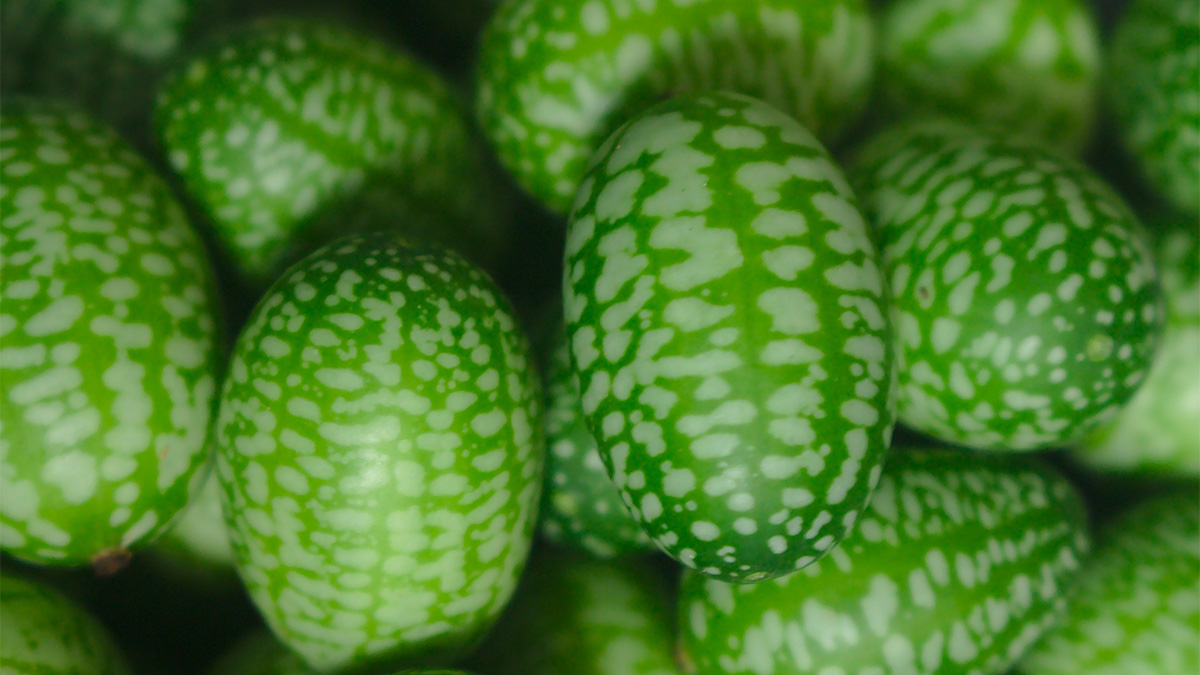
They look like miniature watermelons, but taste like cucumbers soaked in lime juice. Cucamelons (or “mouse melons”) might be the most photogenic fruit in the garden, but they aren’t just for show. Despite their tiny size, these prolific climbers are surprisingly hardy, incredibly productive, and easier to grow than your standard garden cucumber.
Why are cucamelons suddenly so popular?
Their unusual appearance plays a big role in their popularity. Cucamelons stand out visually among more common garden crops. This makes them appealing to gardeners looking to try something different. They are also relatively easy to grow. Many gardeners appreciate plants that produce reliably without demanding constant attention. This combination has made cucamelons increasingly popular.
What do cucamelons taste like?
Cucamelons have a fresh, crisp flavor similar to cucumbers. Many people notice a slight citrus-like tang, especially when eaten raw. This balance makes them refreshing and versatile. Their texture is firm but juicy. The thin skin does not need to be peeled. This makes them convenient for quick use in the kitchen.
How to grow cucamelons at home
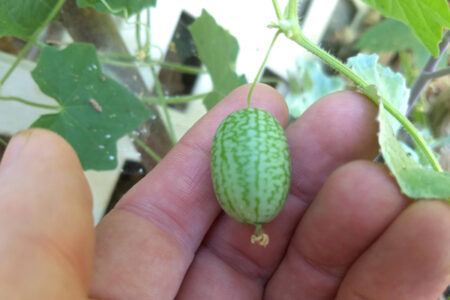
Site & Soil Conditions – Cucamelons thrive in full sun, requiring at least 6–8 hours of direct light daily to produce heavily. They prefer rich, fertile soil that drains well; amending your planting site with compost before planting will help retain necessary moisture without waterlogging the roots. As heat-loving plants, they are sensitive to cold, so wait until the soil has warmed and all risk of frost has passed before planting outdoors.
Starting Your Plants – Because cucamelons can be slow to germinate and establish, starting seeds indoors 4–6 weeks before your last frost date is recommended. Use biodegradable pots to minimize root disturbance when transplanting. Once the weather warms, they will accelerate quickly.
Small Space & Container Growing – Cucamelons are perfect for small gardens, balconies, or patios because they are natural climbers rather than sprawlers.
- Go Vertical: To save floor space, train the vines up a trellis, wire mesh, or bamboo teepee. They will happily climb 6–8 feet high, keeping the footprint of the plant to just a few square inches.
- Container Size: These vines adapt beautifully to pots. A standard 12-inch (30cm) pot or a 5-gallon grow bag is sufficient for two plants.
- Care in Pots: Container plants dry out faster, so check moisture levels daily. The soil should remain consistently moist but not soggy. A layer of mulch can help regulate soil temperature and retain water in smaller pots.
Caring for cucamelon plants
Regular watering helps maintain healthy vines. Soil should remain evenly moist but not saturated. Mulching can help reduce moisture loss. Feeding with balanced nutrients supports fruit production. Avoid excessive nitrogen, which encourages leaf growth over fruit. Monitoring plants helps catch issues early.
Harvesting cucamelons
Cucamelons are ready to harvest when they reach grape size. Picking fruit regularly encourages continued production. Overripe fruit can become less crisp. Harvesting is simple and does not require tools. Gentle handling helps prevent damage to vines. Frequent harvesting improves yield over time.
How to use cucamelons in the kitchen
Cucamelons are commonly eaten fresh. They add crunch to salads and make interesting snack items. Their size makes them visually appealing in dishes. They are also popular for pickling. Pickled cucamelons retain their crunch and flavor. They can be used in place of traditional pickles.
- Cucamelon Pickles (Quick Refrigerator Version)
- Cucamelon Apple Cider Vinegar Relish
- Cucamelon Salad, lightly marinated and easy!
Common problems when growing cucamelons
Pests such as aphids or cucumber beetles may occasionally appear. Regular inspection helps manage issues before they spread. Healthy plants are more resistant to damage. Fungal problems can occur in damp conditions. Good airflow and proper spacing reduce risk. Avoid overhead watering when possible.
Conclusion
Cucamelons offer a mix of visual appeal, fresh flavor, and reliable growth that makes them stand out in the garden. Their ability to thrive in small spaces and produce steadily adds to their appeal. For gardeners looking to try something different without added complexity, cucamelons are well worth growing.