
Flavorful Herbs You Can Easily Grow Indoors in Water

Growing herbs indoors in water is an easy, mess-free way to ensure you have fresh, flavorful herbs at your fingertips all year round. Perfect for small spaces or busy lifestyles, this method eliminates the need for soil and extensive maintenance.
Benefits of growing herbs in water indoors
Growing herbs in water offers convenience, cleanliness, and continuous access to fresh ingredients. Without the need for soil, this method reduces mess significantly, making it perfect for small apartments, kitchens, or office spaces. It also simplifies the gardening process, eliminating issues like soil-borne pests and diseases.
Another advantage is the decorative appeal. Clear containers displaying the delicate roots and greenery create an aesthetically pleasing and relaxing environment. Plus, you get the satisfaction and practicality of having fresh herbs ready to harvest whenever you need them, enriching your culinary creations instantly.
8 flavorful herbs to grow indoors in water
Basil
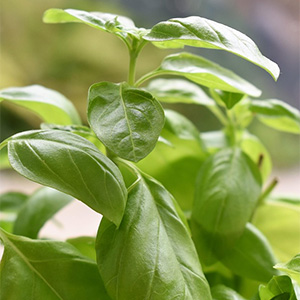
To grow basil in water, start by cutting a healthy 4–6 inch stem just below a leaf node. Remove the lower leaves, leaving only the top ones. Place the stem into a clean jar filled with fresh water, making sure no leaves touch the water surface. Position your jar in bright, indirect sunlight and refresh the water weekly. Roots typically emerge within 7–14 days.
Mint
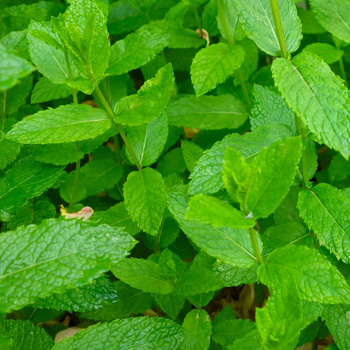
Mint is easy to propagate in water. Snip off a healthy stem about 4 inches long, cutting just below a leaf node. Remove the lower leaves and place the stem in fresh water, keeping the remaining leaves above water. Keep it in bright, indirect sunlight and change the water once a week. You’ll see roots starting to form within about one week.
Rosemary
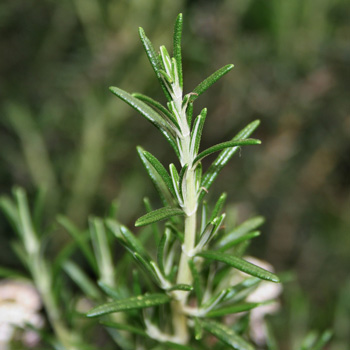
Rosemary takes a bit longer but grows well in water. Select a semi-woody stem, approximately 4–6 inches long. Remove leaves from the lower half and place the stem in clean water, ensuring nodes are submerged. Keep the container in bright, indirect sunlight and replace the water weekly. Rosemary generally develops roots within 3–4 weeks.
Thyme
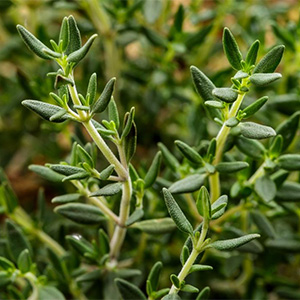
To propagate thyme in water, select a young, healthy sprig around 3–4 inches long. Remove the lower leaves and place the stem in a glass of fresh water, keeping upper leaves above the water line. Provide bright, indirect sunlight, and change the water every week. You can expect roots in approximately 2–3 weeks.
Oregano
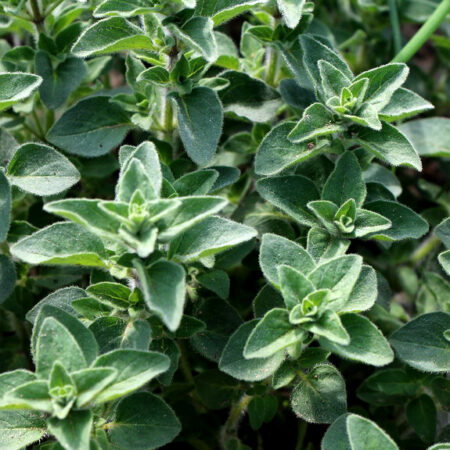
For oregano, cut a healthy stem about 4–5 inches long and remove the leaves from the lower half. Place the stem in clean water, covering the lower nodes. Keep the jar in bright, indirect sunlight and change the water weekly. Roots usually appear quickly, typically within 1–2 weeks.
Sage
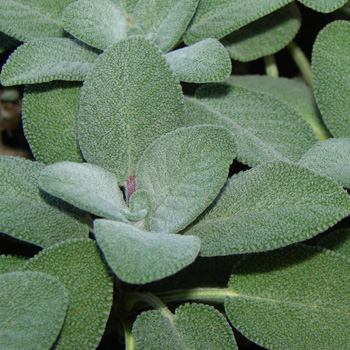
Growing sage in water is straightforward. Choose a young stem around 4–5 inches in length, remove the bottom leaves, and place it in fresh water. Ensure the leaves remain dry and above the water line. Keep your jar near indirect sunlight and refresh the water weekly. Roots generally form in about 2–4 weeks.
Lemon Balm
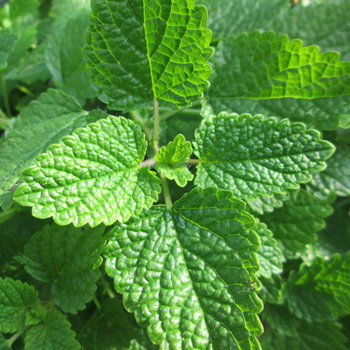
Lemon balm grows quickly in water. Select a healthy 4-inch stem, remove the lower leaves, and place the cutting into clean water. Position your container in bright, indirect light and change the water weekly. Lemon balm usually starts forming roots within 1–2 weeks.
Cilantro
To grow cilantro indoors in water, cut a fresh 4-inch stem and remove the lower leaves. Place the stem in a jar of fresh water, keeping the leaves dry. Keep it near indirect sunlight, avoiding intense direct heat, and refresh the water weekly. Cilantro will typically develop roots within 1–2 weeks.
Essential Care for Water-Grown Herbs
Growing herbs in water (hydroponics) is low-maintenance, but not “no-maintenance.” Follow these four pillars to keep your indoor garden thriving.
1. Refresh the Water Weekly
To prevent bacterial growth and algae, change the water once a week.
- The Cleanse: Every time you swap the water, give the container a quick scrub with warm water and mild soap.
- The Goal: This removes film and residue, ensuring the roots have a sterile environment to breathe.
2. Optimize Your Sunlight
Herbs are sun-worshippers. To ensure they don’t become weak or flavorless, aim for:
- Duration: 4–6 hours of bright, indirect light daily.
- Placement: East- or south-facing windows are usually the “sweet spot.”
- Backup Plan: If your kitchen is dim, a small LED grow light can fill the gap and keep growth robust.
3. Prune for a Fuller Harvest
Don’t be afraid to clip your herbs! Regular “pinching” actually makes the plant stronger.
- Encourage Bushiness: Snip off the top tips of the stems to force the plant to grow outward rather than just upward.
- Plant Hygiene: Immediately remove any yellowing or wilted leaves. These drain the plant’s energy and can attract unwanted pests.
4. Feed Your Herbs (Optional but Recommended)
While water alone works for a while, it lacks the minerals found in soil.
- The Solution: Use a diluted liquid hydroponic nutrient.
- The Method: Always follow the manufacturer’s instructions to avoid “burning” the roots. A gentle, balanced supplement will lead to much more vibrant leaves and intense aromas.
Pro Tip: If you notice green algae growing inside your glass jars, try switching to an opaque container or wrapping the jar in decorative paper. Algae needs light to grow; roots do not!
Conclusion
Growing herbs indoors in water is simple, convenient, and incredibly rewarding. With minimal supplies, easy care routines, and just a little attention, you can cultivate thriving herbs right in your own home. Beyond the culinary advantages, water-grown herbs also add natural beauty and a vibrant touch to your indoor space.