
How to Grow Impressive Giant Sunflowers from Seed
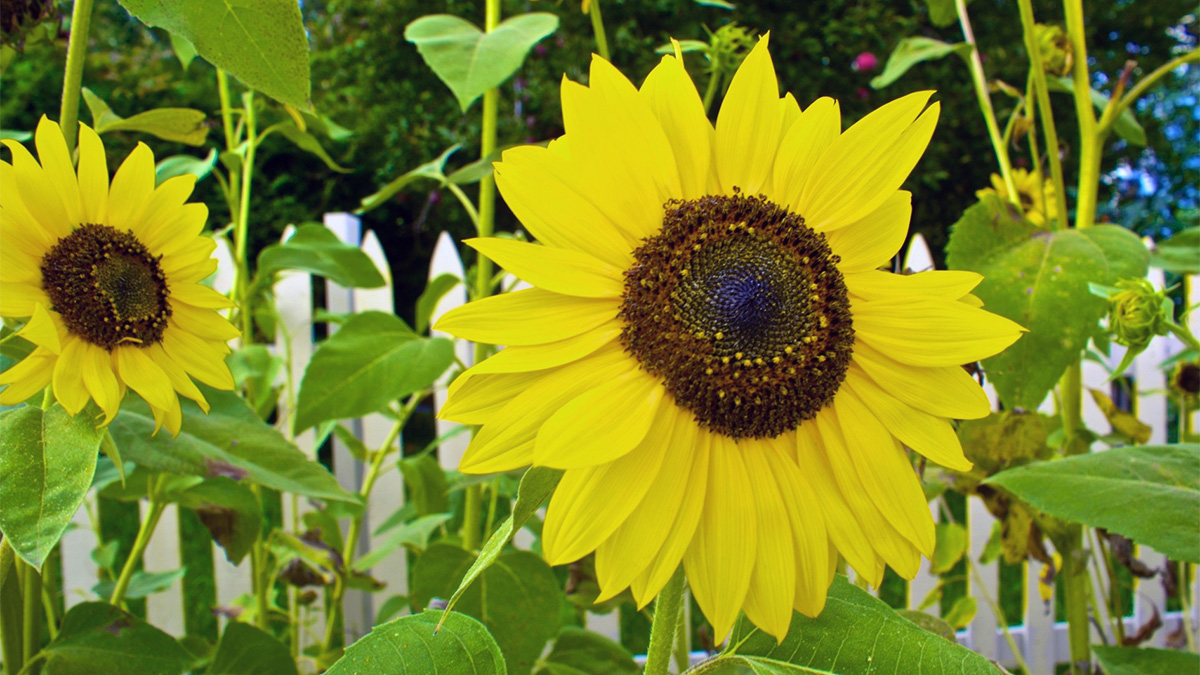
There is something undeniably magical about standing next to a flower that towers over your head. Giant sunflowers aren’t just plants; they are architectural marvels that transform a garden into a whimsical landscape.
While regular sunflowers are pretty, the giants are in a league of their own. Bred for sheer vertical ambition and massive seed heads, these botanical beasts ditch the branching habit of their smaller cousins to focus all their energy into one thick, sturdy central stem.
If you are ready to grow a garden skyscraper, here is how to turn a tiny seed into a 12-foot giant.
1. Choose Your Champion: Best Varieties
Not all sunflower seeds contain the “giant” gene. To get true height, you need specific single-stem varieties. Avoid branching types, as they split their energy too thin. Look for these heavy hitters:
- Russian Mammoth: The classic giant, easily reaching 10–12 feet with heavy, seed-filled heads.
- American Giant: Known for thick stalks that can withstand wind better than most.
- Sunzilla: A newer hybrid bred specifically to be tall and sturdy without becoming top-heavy.
- Titan: As the name suggests, these produce massive heads that can weigh several pounds.
2. Timing is Everything

Patience is key. Giant sunflowers are summer babies; they despise the cold.
- When to plant: Wait until the soil has truly warmed up and all risk of frost is gone.
- Direct Sow: Do not start these in pots indoors. Sunflowers possess a sensitive taproot that grows rapidly. If this root hits the bottom of a pot, the plant creates a “memory” of that restriction and will never reach its full potential.
3. Location, Location, Location
To grow a monster, you need to mimic its natural desires.
- Sun: They need Full Sun. They act like living solar panels; anything less than 6–8 hours of direct light will result in a shorter, spindly plant reaching desperately for light.
- Wind Protection: While the stems are thick, a 10-foot plant acts like a sail in a storm. Plant them near a fence or wall, or in a spot protected from strong prevailing winds.
4. Preparing the Foundation
Think of the soil as the foundation of a skyscraper. It needs to be loose enough for deep anchoring roots and rich enough to feed a hungry giant.
- Loosen the soil: Dig down at least 2 feet if possible.
- Feed the earth: Mix in generous amounts of compost or aged manure. These plants are “heavy feeders” and will deplete poor soil quickly.
5. Planting for Success

- Depth: Plant seeds about one inch deep.
- Spacing: This is the hardest part for many gardeners. You must space them at least 2 feet apart. If they are too close, they will compete for nutrients and end up stunted.
- The Thinning Rule: It hurts to do it, but if you plant two seeds in one spot and both sprout, you must snip the smaller one. You want one champion, not two weaklings.
Pro Tip: Protect your newly planted seeds! Birds and squirrels know exactly where you planted them. Cover the area with netting or a laundry basket until the seedlings are a few inches tall.
6. Water and Food: Fueling the Growth
Once established, these plants can grow several inches in a single day. That requires fuel.
- Water Deeply: Shallow sprinkling encourages shallow roots, which leads to toppling plants. Water less often, but deeply, soaking the root zone to encourage the taproot to dive down.
- The Nutrient Boost: Use a balanced, slow-release fertilizer at planting. Once the plant is knee-high, you can use a liquid fertilizer to support that rapid green growth. Avoid high-nitrogen feeds once the flower head begins to form, or you’ll get lots of leaves but a small bloom.
7. Support and Stability
Even the strongest stems have limits.
- Stake Early: Don’t wait until the plant is leaning. Drive a sturdy stake (bamboo or metal) into the ground near the plant when it is young, taking care not to damage the root.
- Tie loosely: As the plant grows, tie the stem to the stake using soft twine or fabric strips. Leave some wiggle room—the plant needs to be able to sway slightly to build stem strength.
8. The Grand Finale: Harvest

Your reward comes when the petals fall and the back of the massive head turns from green to yellow-brown.
- The Drying Process: You can leave the head on the stalk to feed winter birds, or cut it off with about a foot of stem attached. Hang it upside down in a warm, dry, ventilated spot (like a garage) until the seeds are loose.
- The Cycle Continues: Save the biggest, plumpest seeds from your tallest plant to sow next year. Over time, you will adapt the genetics to your specific garden micro-climate!
Are Giant Sunflowers Right for You?
Growing giant sunflowers is less about precise gardening and more about the joy of witnessing nature’s power. They require space, water, and sun, but they reward you with a spectacular show that makes you feel small in the best way possible.
Conclusion
Growing giant sunflowers from seed is a rewarding project that combines patience with simple, consistent care. When given the right soil, sunlight, and support, these plants can reach incredible heights and produce unforgettable blooms. With careful planning and attention throughout the season, giant sunflowers can become one of the most striking features in your garden.