Clever Ways to Use Eggshells in the Garden
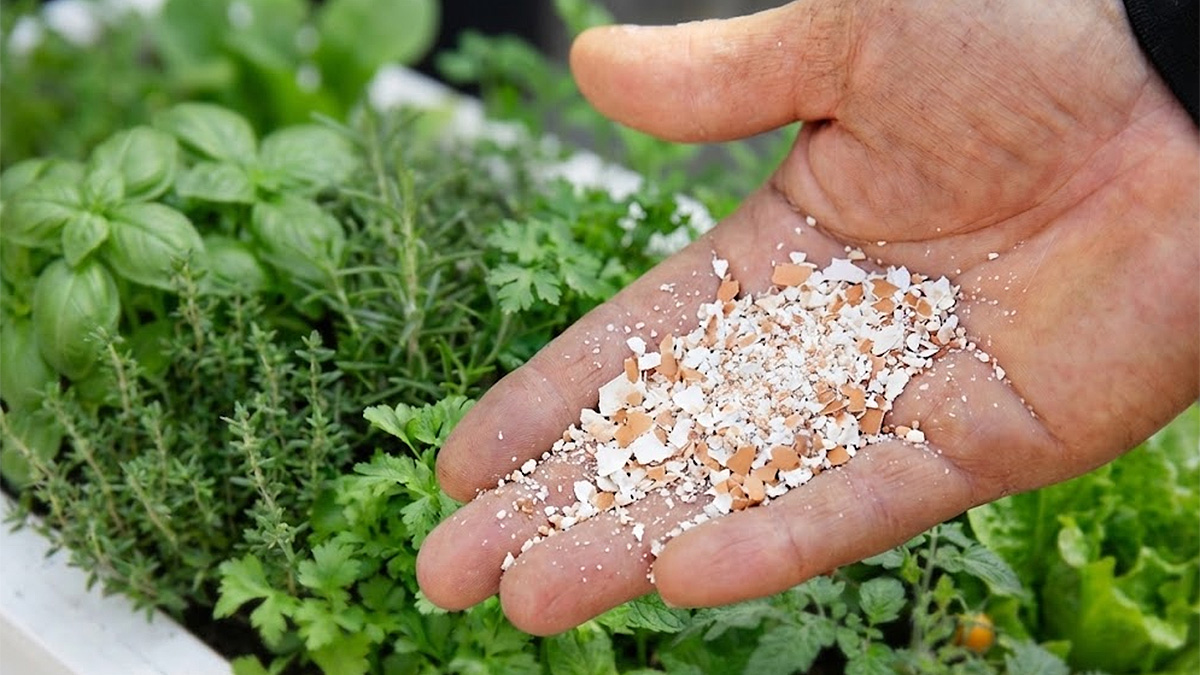
Eggshells are a simple kitchen leftover that can be surprisingly useful in the garden. Packed with calcium and slow to break down, they offer long-term benefits when used correctly. With a little preparation, eggshells can support healthier soil while helping reduce household waste.
Why eggshells are benficial in the garden
Eggshells are made mostly of calcium carbonate, which plays an important role in plant health. Reusing eggshells in the garden helps reduce kitchen waste while adding value to your soil. They work best as a long-term soil amendment rather than a quick fix. Eggshells break down slowly, so patience is important. When used correctly, they support soil structure and nutrient balance over time. Understanding their limits helps set realistic expectations.
How to prepare eggshells for garden use
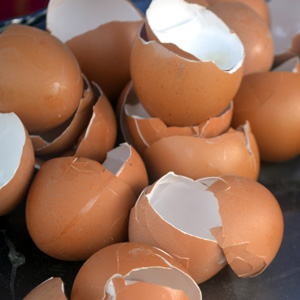
Always rinse eggshells to remove any residue before using them. Let them dry completely to prevent odors or mold. Crushing or grinding the shells helps them break down faster in soil or compost. Finely crushed shells are more effective than large pieces. Store prepared shells in a dry container until you are ready to use them. This makes it easy to add them to the garden as needed.
Once the eggshells have been prepared here are some of the ways to use them:
1. Add calcium to soil
Calcium supports strong cell development in plants. Crushed eggshells can be mixed into garden beds to slowly improve calcium levels. This method works best when added before planting. Eggshells are most useful for calcium-loving plants like tomatoes and peppers. They should be worked into the soil rather than left on the surface. Over time, soil microbes help break them down.
2. Improve compost piles
Eggshells are a valuable addition to compost piles. They add minerals while helping balance green and brown materials. Crushing shells before composting speeds up decomposition. Although they break down slowly, eggshells still contribute to long-term compost quality. Turning the pile regularly helps distribute them evenly.
3. Natural pest deterrent

Crushed eggshells are often used to discourage slugs and snails. The sharp edges may make it uncomfortable for pests to cross. This works best in dry conditions and small areas. Eggshell barriers are not always effective on their own. They should be used alongside other pest management methods.
4. Seed starting containers
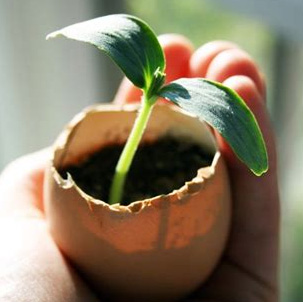
Eggshell halves can be used as small seed starting containers. They provide a biodegradable option that adds calcium to the soil as seedlings grow. A small drainage hole helps prevent water buildup. When transplanting, gently crack the shell before planting it in the ground. This allows roots to grow freely while the shell breaks down naturally.
5. Prevent blossom end rot
Blossom end rot is often linked to calcium imbalance in soil. Eggshells may help support overall soil calcium levels over time. They are most effective when added well before planting season. Eggshells will not fix blossom end rot once it appears. Consistent watering and healthy soil structure are also important factors.
6. Garden mulch booster
Crushed eggshells can be mixed into organic mulch. This adds texture while slowly contributing nutrients to the soil. They work well in vegetable beds and around flowering plants. Mulch mixed with eggshells also helps reduce waste. Over time, both materials break down and improve soil health.
7. Bird-friendly garden addition
Birds need calcium to support egg production and bone health. Clean, finely crushed eggshells can be offered in the garden for birds to consume. Baking shells briefly helps make them safe to use. Place crushed shells in a shallow dish away from busy areas. This encourages birds to visit without disturbing garden beds.
8. Improve soil drainage
Eggshells can help slightly improve soil structure when mixed into heavy soil. Finely crushed shells create small air spaces that support drainage. This works best as part of a larger soil improvement plan. They should be combined with compost or organic matter for better results. Eggshells alone will not correct poor drainage.
9. Fertilizer supplement
Eggshell tea is sometimes used as a gentle fertilizer supplement. Soaking crushed shells in water allows small amounts of calcium to leach out. This liquid can be used to water plants occasionally. Eggshell tea should not replace balanced fertilization. It works best as a mild supplement rather than a primary nutrient source.
10.Reduce garden waste
Using eggshells in the garden is an easy way to reduce household waste. Instead of throwing them away, they become part of a sustainable gardening routine. This simple habit supports long-term soil health. Reusing kitchen scraps helps close the loop between the home and garden. Small changes like this can make gardening more eco-friendly.
Common mistakes to avoid when using eggshells
One common mistake is using large shell pieces that break down very slowly. Expecting quick results can also lead to disappointment. Eggshells work gradually and should be viewed as a long-term improvement tool. Adding too many eggshells to certain soils may affect balance. It is best to use them in moderation alongside other soil amendments.
Tips for combining eggshells with other garden practices
Eggshells work best when combined with compost and organic matter. Together, they improve soil structure and nutrient availability. This balanced approach supports healthier plant growth over time. In some cases, commercial soil amendments may still be needed. Eggshells are most effective as a supportive addition rather than a complete solution.
Conclusion
Using eggshells in the garden is an easy way to combine sustainability with practical plant care. While they work slowly, their benefits add up when used consistently alongside other good gardening practices. With realistic expectations and proper preparation, eggshells can become a valuable part of your garden routine.