
Step-by-Step Guide to Creating Your Own Wildflower Garden
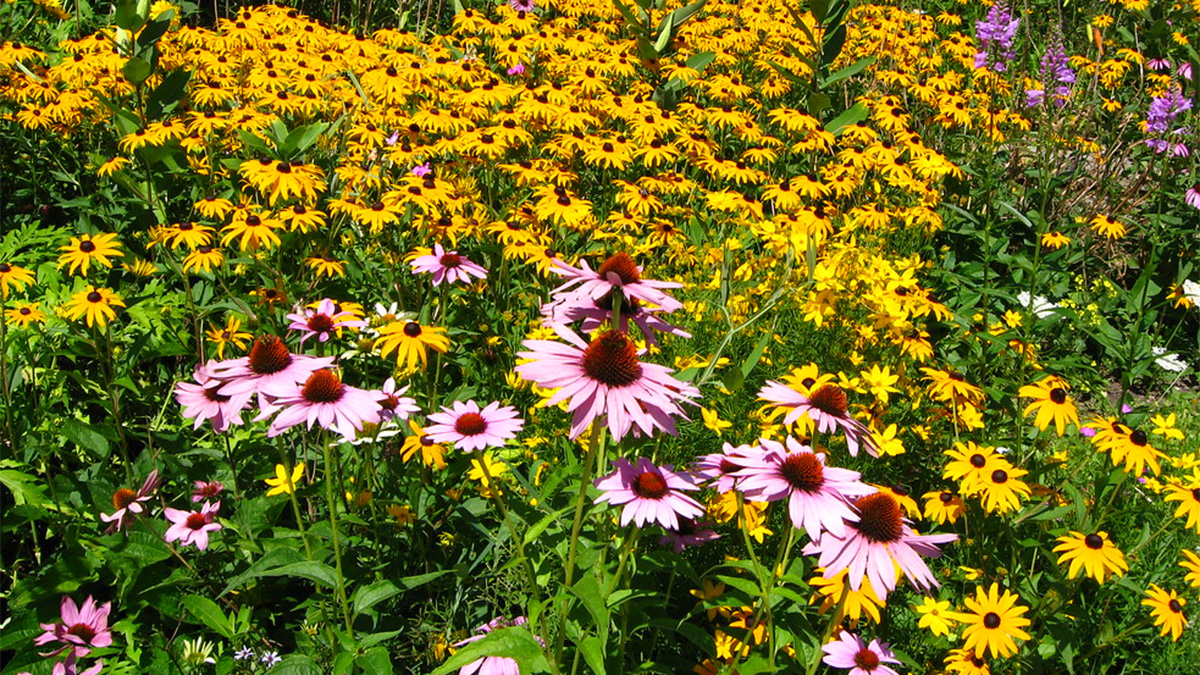
Creating a wildflower garden is one of the most rewarding ways to combine natural beauty with ecological value. With the right planning, plant selection, and preparation, even a simple patch of ground can become a thriving, seasonal display. Understanding each step before you begin helps set realistic expectations and supports long-term success.
What is a wildflower garden
A wildflower garden is a planting area made up of flowering species that grow in a more natural, meadow-like style. Unlike formal flower beds, wildflower gardens focus on mixed planting and seasonal succession rather than neat rows or structured layouts. The goal is to create a space that supports biodiversity while still offering visual interest.
Wildflower gardens are often misunderstood as low effort or unmanaged spaces. In reality, they require thoughtful planning and preparation, especially during the first year. Once established, they can become more self-sustaining than traditional beds.
Benefits of creating a wildflower garden
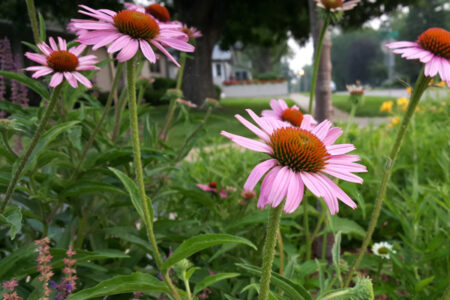
One of the main benefits of a wildflower garden is its support for pollinators such as bees, butterflies, and beneficial insects. Diverse plantings provide nectar and pollen across multiple seasons. This helps strengthen local ecosystems.
Wildflower gardens can also reduce mowing and chemical inputs compared to lawns. Over time, deep-rooted species improve soil structure. Many gardeners appreciate the balance between beauty and environmental value.
Step 1: Choose the right location
Most wildflowers prefer full sun, ideally six or more hours of direct light each day. Shaded areas tend to limit flowering and reduce plant diversity. Selecting an open, sunny site improves long-term success. Good drainage is also important. Avoid low spots where water collects for long periods. Sites with heavy weed pressure may require extra preparation before planting.
Step 2: Decide between seeds or plants
Many gardeners start with seed mixes because they are cost-effective and cover larger areas easily. Seeds allow for a natural distribution pattern as plants establish. However, they may require more patience during early growth. Using plugs or starter plants offers more control over spacing and design. This approach can provide quicker visual results. The choice depends on budget, timeline, and garden size.
Step 3: Select the right wildflower mix
Choosing a mix suited to your region is one of the most important decisions. Native species are generally better adapted to local soil and climate conditions. They also offer stronger support for local wildlife. Consider whether you want annuals, perennials, or a blend of both. Annuals provide quick color in the first year, while perennials build structure over time. Matching plant types to your growing zone improves establishment rates.
Step 4: Prepare the soil properly
Soil preparation sets the foundation for success. Removing existing grass and weeds reduces competition for young seedlings. Many gardeners use methods such as sheet mulching or careful cultivation to clear the area. Wildflowers often perform better in moderately lean soil. High fertility encourages aggressive grasses rather than flowering species. Leveling the soil creates a smooth surface for even seed distribution.
Step 5: Sow your wildflower seeds
Sowing time depends on local climate, but spring and fall are common planting seasons. Seeds should be spread evenly across the prepared soil surface. Mixing seed with sand can help improve distribution. After spreading, lightly press the seeds into the soil. Most wildflower seeds need light to germinate and should not be buried deeply. Gentle watering supports early germination.
Step 6: Water and monitor early growth
Consistent moisture is important during germination. Water lightly but regularly until seedlings are established. Avoid saturating the soil, as excessive moisture can cause rot. Learning to recognize young wildflower seedlings helps prevent accidental removal. Early weeding may be necessary to reduce competition. Close monitoring during the first weeks makes a noticeable difference.
Step 7: Maintain your wildflower garden
Maintenance changes once plants begin to mature. Occasional weeding helps keep invasive species under control. Cutting back at the appropriate time encourages reseeding and tidy growth. Many wildflower gardens benefit from a seasonal mow or trim after flowering. This helps distribute seed and maintain balance. Timing maintenance correctly supports long-term diversity.
Step 8: Support long-term success
Encouraging natural reseeding strengthens the garden over time. Allowing some plants to go to seed supports future growth. Overseeding thin areas can help maintain density. Seasonal cleanup should be minimal and strategic. Leaving some plant material provides habitat during colder months. Gradual adjustments keep the garden resilient.
What to expect in the first year
The first year of a wildflower garden often focuses on root development. Some species may not flower heavily during this time. Patience is important as plants establish themselves. Annual species may provide early color, while perennials build strength below ground. By the second season, growth typically becomes more balanced and visually rewarding.
Conclusion
A successful wildflower garden is built on preparation, patience, and thoughtful plant choices. While the first year may require close attention, established plantings become more resilient and self-sustaining over time. With consistent care and seasonal adjustments, your wildflower garden can continue to evolve and improve each year.