Bucket Gardening All Year Round – A Seasonal Planting Guide
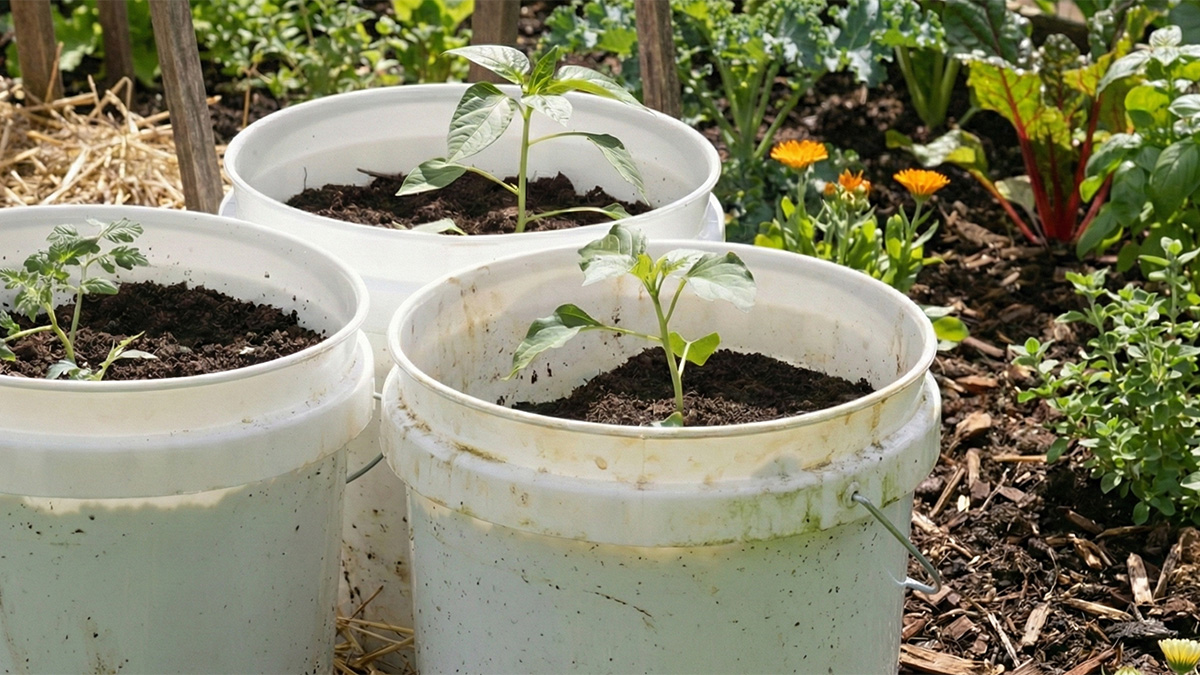
Bucket gardening makes it possible to grow fresh plants no matter the season or space available. By using portable containers, gardeners can adjust planting choices and care as conditions change throughout the year. With the right setup and planning, buckets can support productive growing well beyond traditional garden timelines.
What is bucket gardening
Bucket gardening is a container growing method that uses buckets or similar containers instead of garden beds. Plants grow in a controlled soil environment with drainage added to the base. This method works well for patios, balconies, and small outdoor spaces.
Buckets allow gardeners to move plants easily as conditions change. This flexibility makes them especially useful for growing across multiple seasons. With proper setup, buckets can support a wide range of crops.
Benefits of bucket gardening
1. Extended Growing Seasons Containers are the ultimate tool for year-round growing. The soil warms up faster in the spring, allowing for earlier planting. When winter arrives, you can simply move your buckets into a garage or greenhouse to protect them from freezing temperatures.
2. Portability & Protection Bad weather coming? Just pick up your garden and move it. Whether you are chasing the sun in winter or seeking shade during a heatwave, buckets allow you to micro-manage the climate for your plants.
3. Success in Small Spaces You don’t need a backyard or perfect ground soil to grow food. Buckets allow you to create a fertile garden on concrete, balconies, or rental properties where digging isn’t an option. You control the soil quality from day one.
Choosing the right buckets for year-round gardening
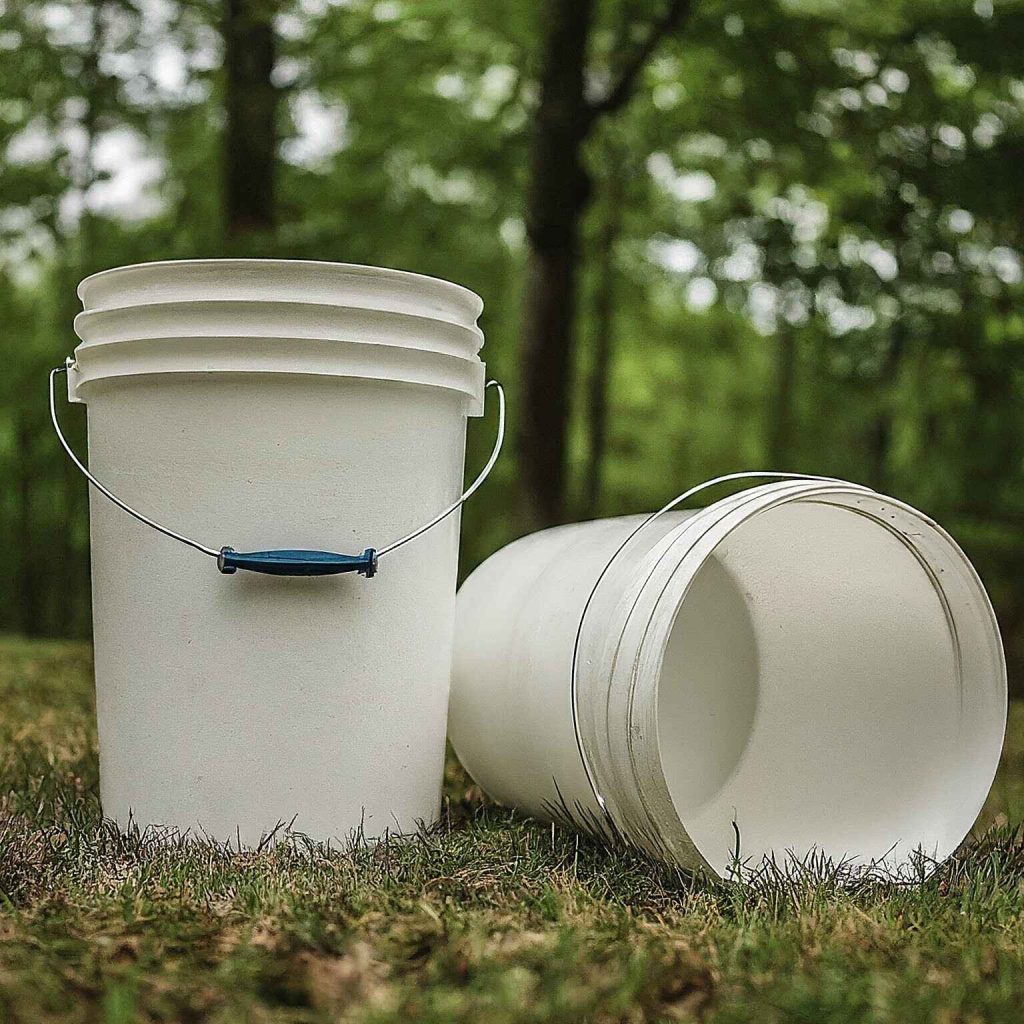
Bucket size plays a major role in plant health. Larger buckets hold moisture longer and support deeper root systems. Smaller buckets are better suited to herbs and compact crops. Choosing the right bucket improves plant performance in every season.
Soil and setup for bucket gardening
Start with the right texture. Because bucket plants cannot seek out nutrients in the ground, they need a well-draining mix that balances moisture retention with airflow. A blend of compost, potting soil, and coarse grit works best to prevent the compaction that creates stagnant, unhealthy roots.
Prep the container properly. Before you add that soil, ensure the bucket is scrubbed clean of any residue and fitted with adequate drainage holes. Water needs a clear path to exit the container, or you risk drowning the plant during heavy rains.
Focus on placement. Rather than sitting buckets directly on the ground, elevate them slightly. This simple adjustment improves drainage and prevents the bottom holes from becoming blocked by mud, effectively minimizing problems before the growing season even peaks.
Seasonal planting overview
Plants respond differently as temperatures and daylight hours change. Bucket gardens need seasonal adjustments to stay productive. Planning ahead helps avoid gaps in harvest. Understanding seasonal growth patterns allows gardeners to transition smoothly between crops. Buckets make it easy to swap plants as conditions shift. This adaptability supports continuous growing.
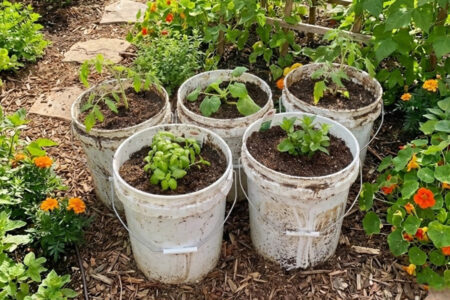
Spring: Cool Season Greens
- Best Bucket Crops: Lettuce, spinach, radishes, green onions, cilantro, and parsley.
- Grow Tip: Take advantage of the soil warming up quickly in plastic buckets to start seeds early. If a “cold snap” is forecast, simply move the buckets into the garage overnight.
Summer: Fruiting Favorites
- Best Bucket Crops: Cherry tomatoes, peppers, chilies, bush beans, and eggplant.
- Grow Tip: Moisture is critical. Buckets can dry out in hours on a hot day. Water daily (sometimes twice) and mulch the top of the soil with straw to reduce evaporation.
Fall: Roots and Hardy Leaves
- Best Bucket Crops: Carrots (choose shorter varieties), kale, swiss chard, mustard greens, and chives.
- Grow Tip: As the days get shorter, your plants need every bit of light they can get. Move your buckets to the sunniest, south-facing spot in your yard or patio.
Winter: Protection & Indoors
- Best Bucket Crops: Microgreens, herbs (on windowsills), or hardy winter lettuces (under cover).
- Grow Tip: If you live in a cold climate, bring your garden inside. Place buckets near a bright window or use a simple grow light to keep herbs fresh all winter.
Indoor bucket gardening works well near bright windows. Cold frames or covers help protect outdoor plants from frost. Winter growing focuses on steady care rather than rapid growth.
Watering and feeding through the seasons
Watering needs change throughout the year. Buckets require more frequent watering in warm weather and less in cooler conditions. Checking soil moisture before watering prevents overwatering. Container plants also need regular feeding. Nutrients wash out faster in buckets than in ground soil. Light, consistent feeding supports healthy growth across seasons.
Common problems with bucket gardening
Root crowding can occur if plants outgrow their containers. Choosing the right bucket size helps prevent this issue. Poor drainage is another common problem that leads to root stress. Pests can still affect bucket gardens. Regular inspection helps catch problems early. Healthy soil and spacing reduce many common issues.
Tips for rotating crops in buckets
Crop rotation matters even in containers. Reusing the same soil without rest can lead to nutrient imbalance. Rotating crops helps maintain soil health. Switching plant families between seasons reduces disease buildup. Refreshing soil periodically supports better results. Simple rotation strategies keep bucket gardens productive year after year.
Conclusion
Bucket gardening all year round offers flexibility, control, and consistent results for gardeners willing to adapt with the seasons. By choosing suitable crops, adjusting watering and feeding, and rotating plants thoughtfully, buckets can remain productive year after year. This approach makes gardening more accessible and rewarding in a wide range of conditions.