
Blue Flowering Plants For Calm and Beauty in the Garden
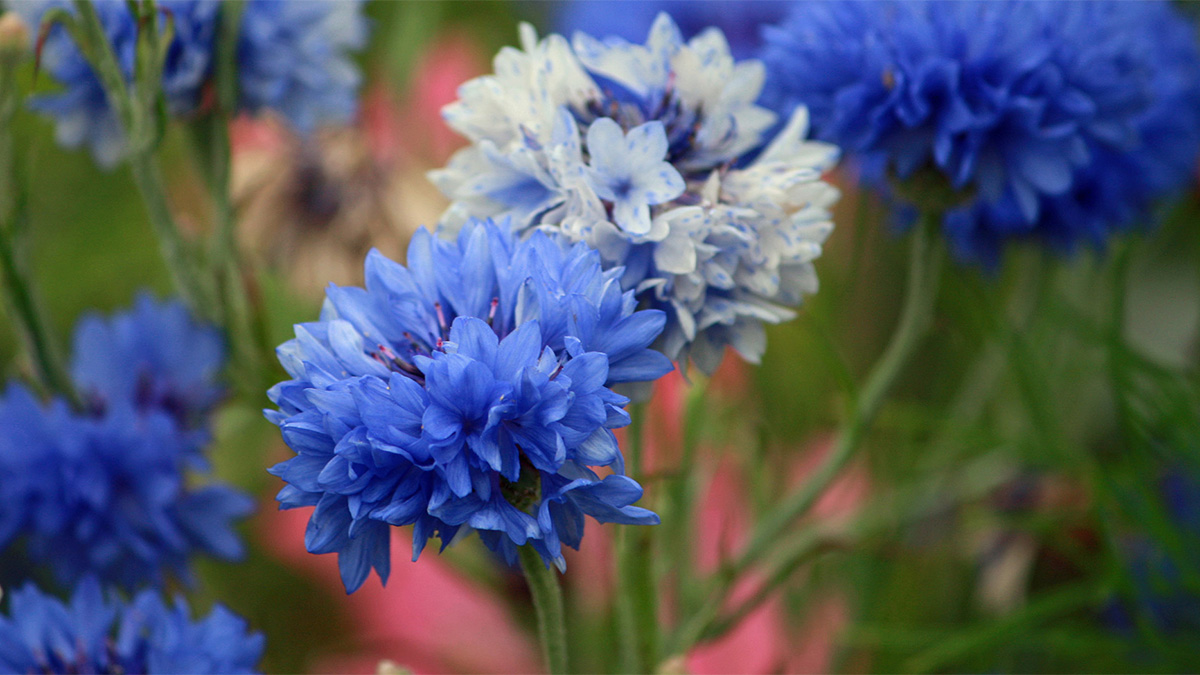
Blue flowers bring a sense of calm and elegance to any garden, offering shades that stand out beautifully among more common colors. Their cool tones can transform outdoor spaces into peaceful retreats while adding a touch of uniqueness. Whether you prefer soft pastels or vibrant blues, these plants make it easy to create a soothing and stylish garden design.
Related: From Lavender to Lilac: Purple Flowering Plants That Steal the Show
Why blue flowers are special in the garden
Blue flowers are relatively rare compared to other garden colors, which makes them stand out beautifully. Their cool tones help create a calming atmosphere, especially in spaces meant for relaxation. Blue blooms also pair well with both bright and muted colors, giving you flexibility when designing your garden.
Tips for growing blue flowering plants successfully
Most blue flowering plants thrive in well-draining soil and locations with plenty of sunlight. Pairing them with complementary plants like white, silver, or purple varieties can help highlight their cool tones. Consistent care, such as regular watering and deadheading, keeps their color vibrant throughout the season.
Hydrangea
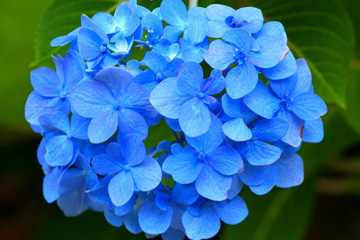
Blue hydrangeas add large clusters of soft color that brighten garden beds and borders. Their blue tones depend on soil acidity, which can be adjusted with amendments like aluminum sulfate. Plant them in partial shade with plenty of moisture to keep the blooms full and healthy.
Periwinkle
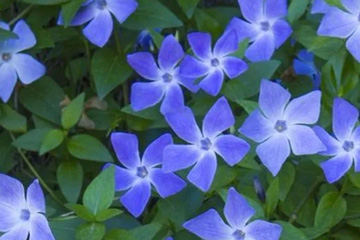
Periwinkle is a hardy groundcover that produces small blue or blue-purple flowers. It spreads easily, making it useful for erosion control or filling shaded areas. With minimal care, it creates a carpet of calming color through spring and early summer.
Forget-me-nots
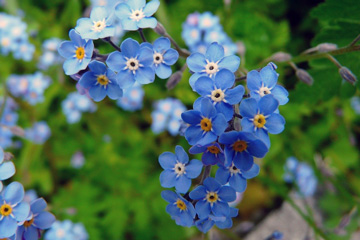
Forget-me-nots offer delicate clusters of soft blue flowers that brighten shaded areas. They self-seed readily, making them ideal for naturalistic or woodland-style gardens. Lightly thinning the seedlings keeps them from spreading too vigorously.
Blue lobelia
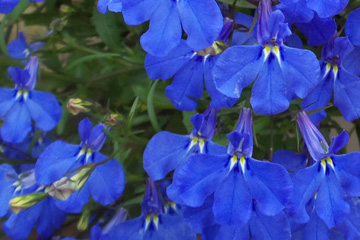
Blue lobelia creates a lush splash of color along borders, hanging baskets, and pond edges. It blooms continuously through the season with regular watering and partial sun. This plant prefers cooler temperatures and thrives in consistently moist soil.
Blue salvia
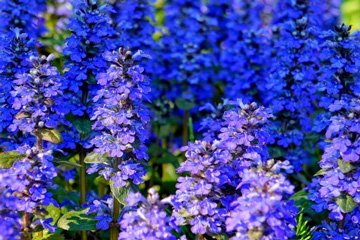
Blue salvia is known for its long-lasting flowers that attract bees and butterflies. This plant thrives in sunny areas and tolerates dry conditions once established. It works well in borders, cottage gardens, or containers.
Blue delphinium
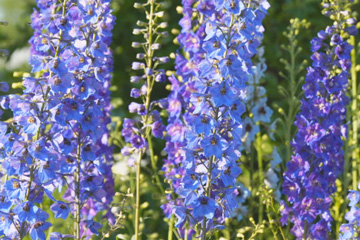
Blue delphiniums produce tall spires of stunning flowers that draw attention in any garden. They grow best in cooler climates with rich soil and full sun. Staking the stems helps support their height and prevents wind damage.
Bachelor’s buttons
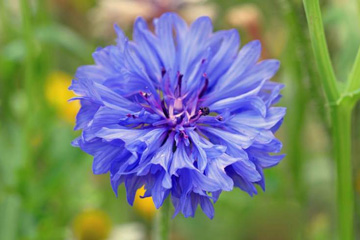
Bachelor’s buttons are easy-to-grow annuals with bright blue petals that look beautiful in cutting gardens. They adapt to many soil types and thrive in sunny areas. These flowers make lovely additions to wildflower mixes or informal garden beds.
Bluebeard
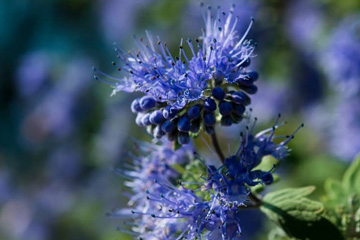
Bluebeard is a compact shrub that blooms in late summer when many other plants start to fade. Its blue clusters attract pollinators and add color to warm garden spaces. Pruning in early spring encourages strong new growth and more abundant flowers.
Blue flax
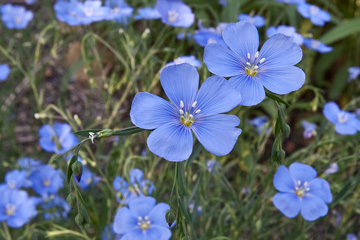
Blue flax produces delicate, airy flowers that sway in the breeze. It tolerates drought well, making it a great option for low-maintenance gardens. Its slender stems and soft blue petals fit neatly into meadows, rock gardens, or natural plantings.
Himalayan blue poppy
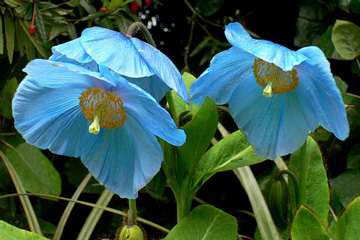
The Himalayan blue poppy is prized for its intense, true-blue petals. It prefers cool, moist conditions and grows best in climates with mild summers. This plant can be challenging to grow, but its rare color rewards patient gardeners.
Creative ways to design with blue flowers
Blue flowers can transform a garden when paired with white, purple, or yellow for a soothing palette. They also make beautiful accents in quiet corners or meditation areas. Layering different heights and textures creates depth and keeps the garden visually balanced.
Conclusion
Incorporating blue flowering plants into your garden is an effective way to add beauty, balance, and a sense of tranquility. Each of these varieties offers its own charm, from delicate blossoms to bold, eye-catching blooms. With thoughtful placement and simple care, your garden can enjoy the soothing presence of blue flowers throughout the growing season.