
Best Shade Loving Plants for Gardens With Low Sunlight
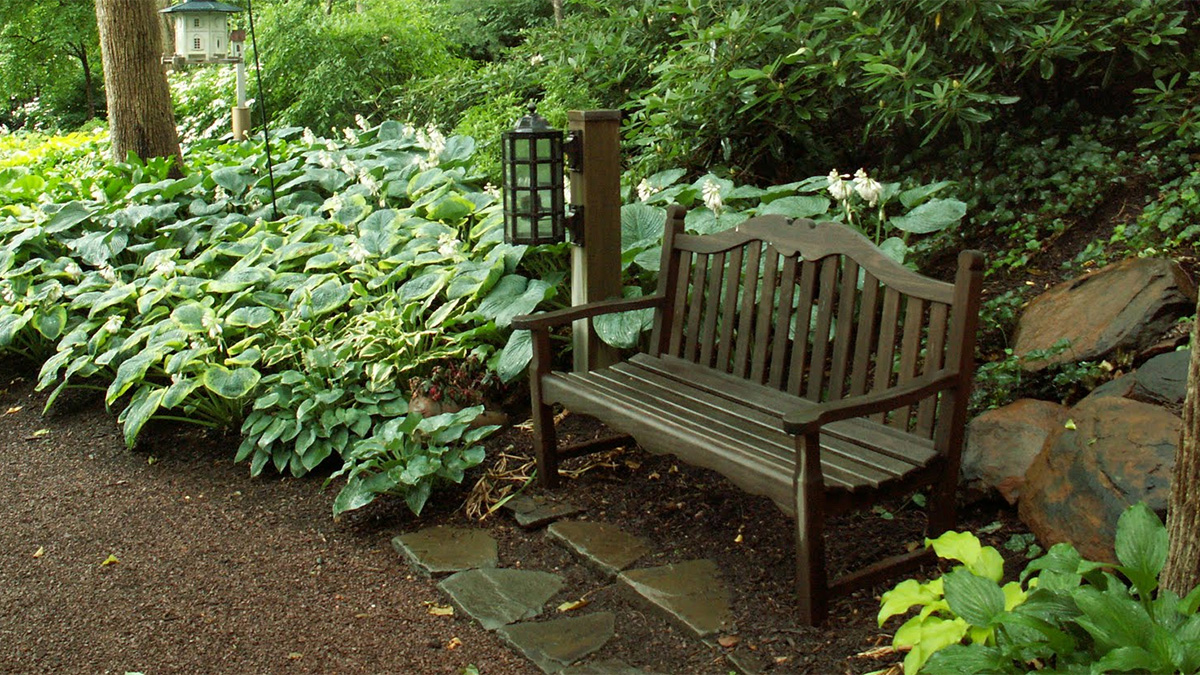
Gardens with low sunlight can feel challenging, but they offer unique opportunities for lush, calming plant designs. Many plants thrive in shade and bring texture, color, and movement to areas where sun-loving plants struggle. With the right choices, shaded spaces can become some of the most beautiful parts of your garden.
Understanding shade in the garden
Shade in the garden can vary from full shade to partial or dappled light. Full shade areas receive little to no direct sunlight throughout the day. These conditions often occur near buildings, fences, or beneath mature trees.
Shade affects how plants grow and flower. Many shade loving plants focus more energy on foliage rather than blooms. Understanding the type of shade you have helps you choose plants that will thrive instead of struggle.
Benefits of growing shade loving plants
Shade gardens often require less watering because soil stays cooler and retains moisture longer. These spaces can feel calm and refreshing, especially during warmer months. Shade loving plants also offer lush textures and rich foliage that add depth to the garden.
Growing plants suited to shade reduces stress on both the plants and the gardener. When plants are matched to their environment, they tend to be healthier and easier to maintain. This makes shaded gardens surprisingly rewarding spaces.
What to consider before choosing shade loving plants
Soil quality plays a major role in shaded areas. Some shaded spots stay moist, while others under trees may be dry due to root competition. Knowing whether you have moist or dry shade helps guide plant selection.
Drainage is equally important, as shaded soil can stay wet for long periods. Improving soil with organic matter supports root health and plant growth. Choosing plants suited to your local climate ensures better long-term success.
8 Beautiful shade loving plants
Hostas
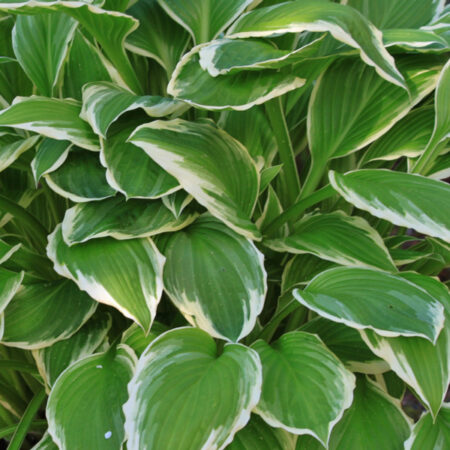
Hostas are one of the most popular plants for shaded gardens. Their broad leaves come in many shades of green, blue, and variegated patterns. They thrive in deep shade and require minimal maintenance once established. Slugs and snails are a common issue for hostas. Using mulch carefully and monitoring leaves helps reduce damage. With the right care, hostas provide long-lasting structure and beauty.
Ferns
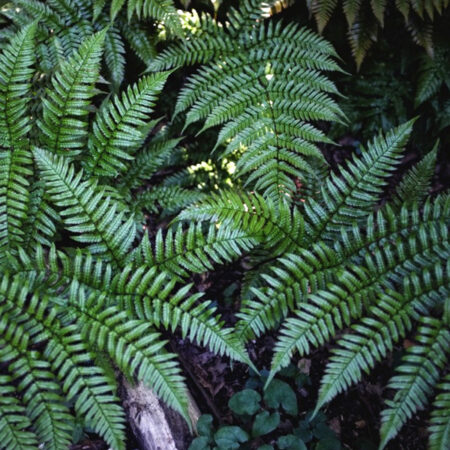
Ferns bring a soft, natural look to shaded spaces. Their layered fronds add texture and movement without relying on flowers. Most ferns prefer consistently moist soil and rich organic matter. They work well along borders, pathways, or woodland-style gardens. Ferns pair nicely with other foliage plants to create a lush, calming atmosphere.
Heuchera (coral bells)
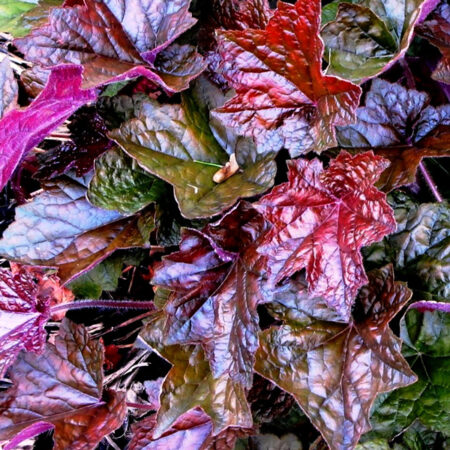
Heuchera is valued for its colorful foliage, which ranges from deep purple to bright lime. It tolerates shade well and brightens darker areas with bold leaf color. Heuchera grows best in well-draining soil with moderate moisture. These plants work well as edging or accent plants. Their compact size makes them easy to mix with other shade loving varieties.
Astilbe
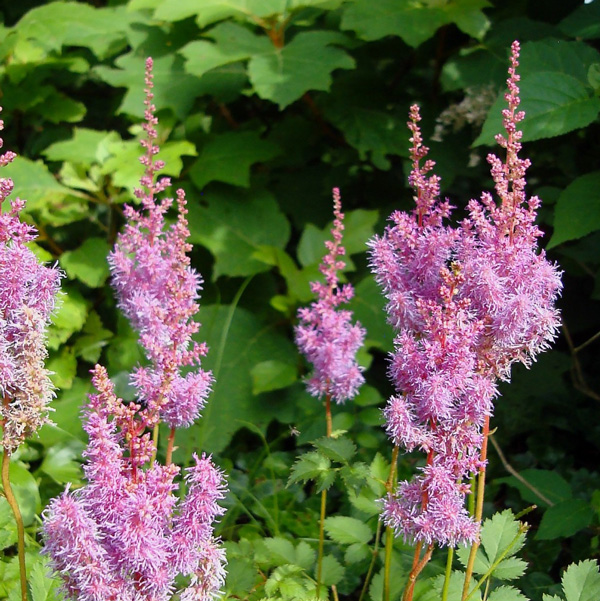
Astilbe produces soft, feathery flower plumes that stand out in shaded gardens. It prefers moist soil and cooler conditions to perform well. Astilbe works especially well near shaded paths or water features. When soil stays evenly moist, astilbe rewards gardeners with reliable seasonal blooms. Even when not flowering, its foliage adds texture to shaded beds.
Lungwort (Pulmonaria)
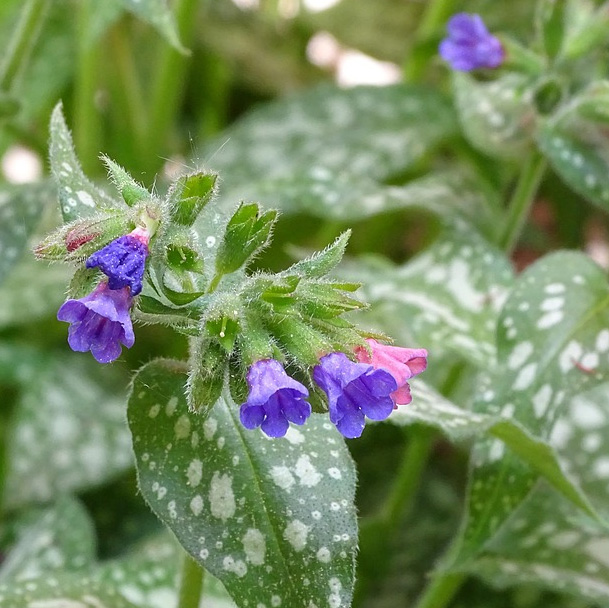
Lungwort is known for its spotted leaves and early spring flowers. It adapts well to full shade once established. The early blooms also support pollinators at a time when few plants are flowering. Lungwort performs best in moist, well-drained soil. Its foliage remains attractive long after flowering ends.
Japanese forest grass (Hakonechloa)
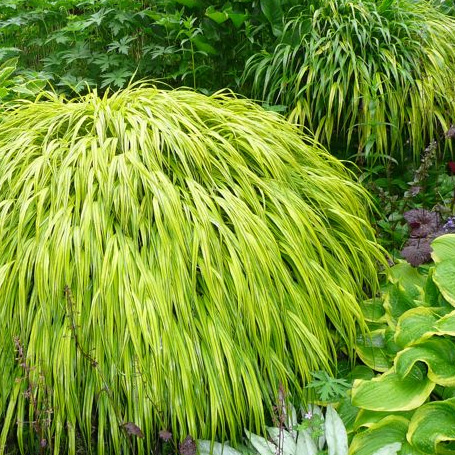
Japanese forest grass adds graceful movement to shaded areas. Its arching blades soften garden edges and contrast well with broad-leaf plants. This grass prefers shade and evenly moist soil. It grows slowly and is easy to manage. Japanese forest grass works well in borders or as a focal point in quiet garden spaces.
Bleeding heart (Dicentra)
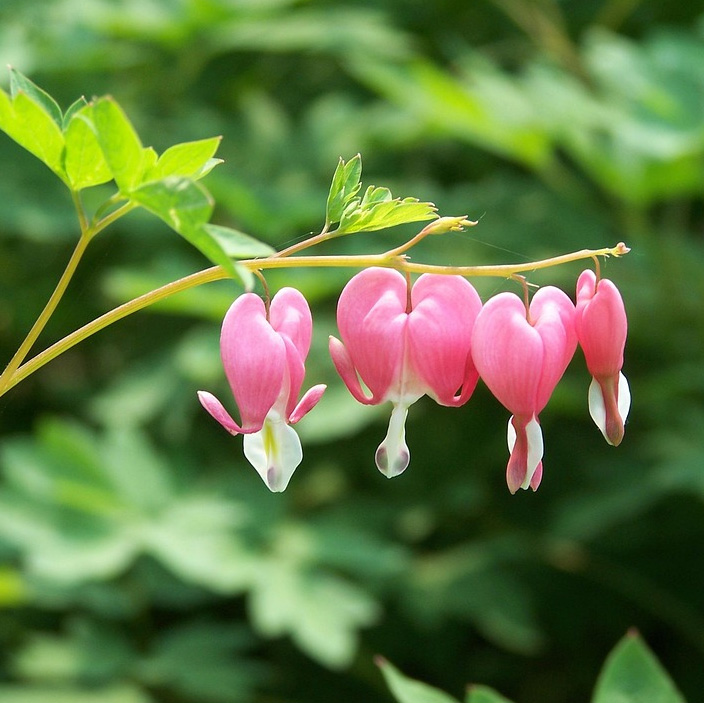
Bleeding heart is easily recognized by its heart-shaped flowers that bloom in spring. It thrives in cool, shaded locations with rich soil. After flowering, the plant may go dormant during warmer months. Planning around its seasonal growth helps maintain garden balance. Pairing bleeding heart with later-emerging plants fills gaps as it fades back.
Foamflower (Tiarella)
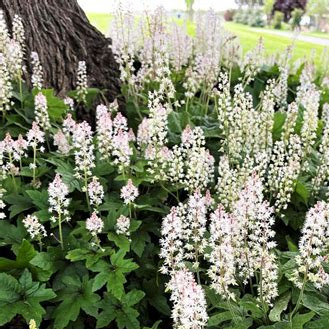
Foamflower is a low-growing plant with delicate spring blooms. It spreads slowly and works well as a groundcover in shaded gardens. Foamflower prefers moist soil and performs well in woodland settings. Its foliage often remains attractive throughout the growing season. This makes it a reliable choice for filling shaded spaces.
Shade loving plants for containers and small spaces
Many shade loving plants grow well in containers. Choosing compact varieties allows flexibility in placement and design. Containers also make it easier to control soil quality and moisture. Combining foliage plants with different textures creates visual interest. Regular watering is important, as containers can dry out faster even in shaded areas.
Design tips for shade gardens
Layering plants by height adds depth to shaded spaces. Tall plants create structure, while low-growing plants soften edges. Mixing leaf shapes and colors helps brighten areas without relying on flowers. Using lighter foliage tones can reflect available light. Thoughtful placement turns shaded areas into inviting garden features rather than forgotten corners.
Caring for shade loving plants
Shade loving plants still need consistent care to stay healthy. Watering should be adjusted based on soil moisture rather than a set schedule. Mulching helps retain moisture and improve soil quality. Good airflow reduces disease in shaded areas. Removing damaged leaves and maintaining healthy soil keeps plants thriving throughout the season.
Conclusion
Shade loving plants prove that sunlight isn’t the only path to a thriving garden. By choosing plants suited to low-light conditions and caring for them thoughtfully, shaded areas can feel vibrant and full of life. With smart garden design and simple maintenance, even the darkest corners can become standout features.